Digital Papers Colorful Patterns for Creative Projects
Imagine opening a folder filled with hundreds of vibrant, ready-to-use backgrounds that instantly transform a blank canvas into something visually striking. That is the essence of digital papers with colorful patterns. They are high-resolution graphic files, often in JPEG or PNG format, featuring repeating motifs, abstract designs, florals, geometric shapes, watercolor washes, or playful illustrations. Scrapbookers, small business owners, teachers, and professional designers all reach for these versatile assets to save time and add personality to their work without starting from scratch.
What makes a set of digital papers truly useful depends heavily on who you are and what you are trying to create. A stationery designer preparing wedding invitation suites has very different requirements than a blogger making Pinterest pins or a parent crafting birthday party decorations. Understanding these differences helps you choose the right files and avoid frustration down the line.
What Exactly Are Patterned Digital Papers
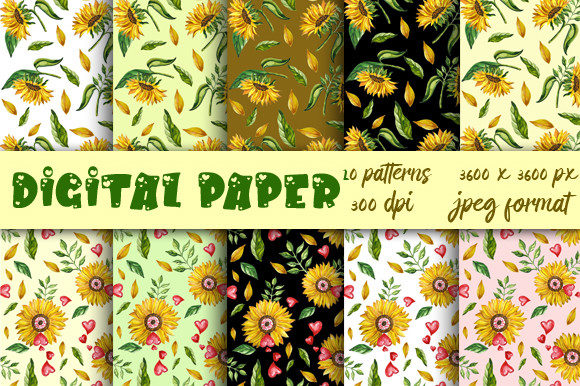
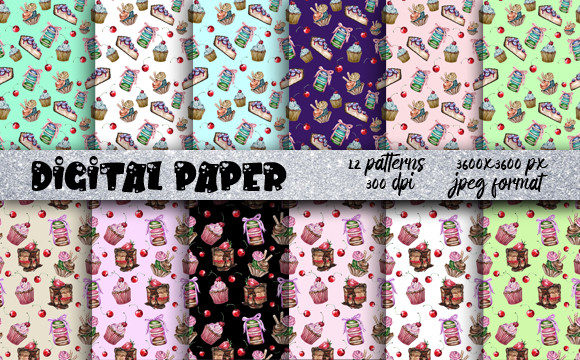
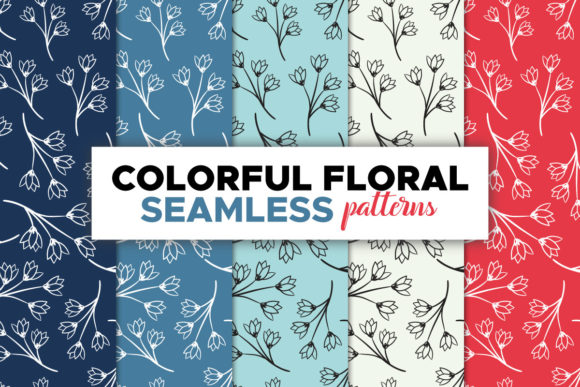
At their core, digital papers colorful patterns are image files designed to serve as backgrounds, textures, or decorative layers in both digital and printed projects. They typically come in sizes like 12×12 inches or A4 at 300 DPI, which provides enough resolution for crisp printing. The patterns can be seamless, meaning they tile perfectly without visible edges, or they can be standalone designs meant to fill an entire page. Common styles include watercolor florals, boho rainbows, retro stripes, marble textures, confetti dots, and seasonal motifs like snowflakes or autumn leaves.
Many creators sell these as instant download bundles, often with commercial licensing options that allow buyers to use them in products they plan to sell. This licensing aspect is something beginners sometimes overlook, but it matters greatly if you plan to use the papers on merchandise, in client work, or inside digital products you intend to distribute.
Why Different People Value These Papers Differently
The appeal of colorful patterned backgrounds spans a remarkably wide range of people, but their priorities shift based on the end goal. A hobbyist scrapbooker might prioritize visual charm and variety above all else, wanting dozens of coordinating patterns to document family memories. A freelance graphic designer, however, cares deeply about resolution, color accuracy, and commercial licensing terms because their reputation and income depend on producing professional-grade work for clients.
Small business owners, particularly those running Etsy shops or crafting product lines, often look for commercial-use bundles that let them create physical goods like greeting cards, wrapping paper, fabric prints, or mug designs. For them, the math is straightforward: a one-time purchase of digital papers can generate ongoing revenue when used across multiple product listings. Meanwhile, teachers and educators lean toward playful, themed patterns that make classroom materials, worksheets, bulletin boards, and newsletters more engaging for students without requiring hours of design time they simply do not have.
Bloggers and content creators sit somewhere in between. They need eye-catching visuals to stop scrollers on social media, but they may not have the budget for custom photography or illustration. Patterned digital papers let them create branded Pinterest graphics, blog post headers, and Instagram story backgrounds that look cohesive and polished, often for less than the price of a single stock photo subscription.
How Beginners Can Get Started Without Feeling Overwhelmed
If you are new to using digital papers, the sheer number of options can feel daunting. Start by identifying one specific project rather than buying a giant bundle with no clear purpose. Maybe you want to make birthday cards for friends, design a weekly planner for personal use, or create a few social media templates for your side business. Having a concrete goal narrows your search and prevents you from collecting files you will never open.
Look for coordinated kits or packs where the designer has already paired patterns with complementary solid colors. This takes the guesswork out of matching and gives you a cohesive palette to work with. Many digital paper sets include a mix of bold patterns and subtle textures, which provides flexibility. A loud floral might dominate a greeting card front, while a soft watercolor wash works better as a website section background or a planner divider page.
Pay attention to file format and DPI before purchasing. For printing, you generally want 300 DPI JPEGs. For digital-only use, such as website backgrounds or presentation slides, 150 DPI often suffices and keeps file sizes manageable. Some sellers offer PNG versions with transparent backgrounds, which can be useful for layering, but patterned papers usually work best as full rectangular backgrounds.
What Experienced Creators and Designers Prioritize
Seasoned users evaluate digital papers through a more technical lens. They check whether patterns are truly seamless, which matters when repeating a design across a large surface like fabric yardage or a website hero section. A poorly executed seamless pattern shows obvious grid lines or awkward jumps that ruin the professional look. Experienced designers also examine color profiles, especially if they work in CMYK for print production. RGB files can shift unexpectedly when converted, so some prefer designers who provide both color modes or at least offer test prints.
Licensing becomes a central concern at this level. A pattern might look perfect for a product line, but if the license restricts commercial use, modifications, or print-on-demand services, it can create legal headaches. Professionals typically filter their search by extended commercial licenses and read the fine print about resale, distribution, and attribution requirements. They also value high variation within a pack, not just recolors of the same motif, and they notice subtle quality indicators like crisp edges, consistent lighting on photographed textures, and clean repeatable tile structures.
Commercial Applications and Small Business Use
For entrepreneurs and small business owners, patterned digital papers represent an affordable path to product diversification. A single well-chosen bundle can be used to design greeting cards, gift tags, wrapping paper sheets, planner inserts, sticker sheets, fabric patterns via print-on-demand services, phone cases, notebook covers, and even website backgrounds. The key is understanding what your specific production method requires. Print-on-demand platforms often have specific file dimension and DPI requirements that differ from home printing or professional offset printing.
Branding cohesion also comes into play. If you sell handmade jewelry, your packaging tissue paper, thank-you cards, and Etsy shop banner could all feature patterns from the same digital paper collection, creating a memorable unboxing experience that feels intentional and elevated. Customers notice these details, and they often translate into repeat purchases and social media shares.
One practical tip for business owners is to keep a folder of licensed patterns organized by season, style, and color family. This small upfront effort saves enormous time when you need to quickly design a Valentine's Day product mockup or a summer collection lookbook. Tagging files with keywords like "pastel floral," "bold geometric," or "neutral boho" makes them searchable on your own computer months after purchase.
Creative and Personal Projects for Hobbyists
Hobbyists often discover digital papers through scrapbooking or card-making communities, but the possibilities extend far beyond traditional paper crafts. Crafters use these files to create decoupage furniture, custom phone cases, framed wall art, party decorations, gift boxes, and even temporary tattoos when printed on specialty paper. The low cost per sheet compared to buying pre-printed craft paper means you can experiment freely, print only what you need, and never worry about running out of a favorite discontinued pattern.
Many hobbyists gravitate toward themed bundles, holidays like Christmas or Halloween, specific aesthetics like cottagecore or mid-century modern, or niche interests like celestial patterns or vintage botanical illustrations. The joy comes from mixing and matching, layering patterns with solid cardstock, adding foil accents, or combining digital papers with physical ephemera to create something uniquely personal. Because the files are digital, you can resize them, crop them, or adjust opacity before printing, giving you creative control that pre-printed paper simply does not offer.
How Educators and Nonprofits Use Patterned Backgrounds
Teachers and nonprofit communicators operate in a world of constant content creation with minimal budgets. Patterned digital papers help them produce newsletters, event flyers, educational worksheets, presentation slides, certificate backgrounds, and social media posts that look cheerful and inviting without requiring design training. A colorful pattern can make a math worksheet feel less intimidating to a young student or make a fundraising flyer stand out on a community bulletin board.
These users often prioritize generous personal use licenses that explicitly allow printing for classroom distribution. They also appreciate patterns that work well with text overlaid on top, designs with lighter colors, open spaces, or subdued contrast so that printed words remain legible. Busy high-contrast patterns might look beautiful on their own but become problematic when students need to read printed instructions or fill in form fields.
Factors That Determine Whether These Files Suit Your Needs
Before purchasing or downloading digital papers colorful patterns, pause and evaluate a few factors that directly affect your satisfaction. First, consider your primary medium. Are you printing, using files digitally only, or both? This determines your DPI needs and whether color mode matters. Second, think about scale. A pattern that looks charming in a preview thumbnail might overwhelm a large printed sheet or become illegibly tiny when scaled down for a phone screen. Some sellers provide previews at actual size or include a swatch showing the pattern repeat, which helps you gauge scale accurately.
The editing flexibility you need also matters. If you want to recolor elements, extract individual motifs, or modify the pattern structure, you likely need layered source files like PSD or AI formats, which most patterned paper packs do not include. In that case, you might look for illustrators who sell editable vectors or layered textures alongside their flat JPEG offerings. If you only need to layer, crop, or apply simple adjustments, standard JPEGs in a program like Canva, Photoshop, or even Microsoft Word will serve you well.
Finally, think about storage and organization. High-resolution pattern collections can easily consume multiple gigabytes. Having a system for backing up and organizing your files prevents the frustration of repurchasing assets you already own but cannot locate. Cloud storage with preview thumbnails, apps, or a simple folder system tagged by style, color, and license type goes a long way toward keeping your creative library usable.
Matching Digital Papers to Your Specific Project Goals
The best way to decide whether a particular set of digital papers fits your needs is to immediately imagine three concrete uses for it before you click buy. If you can picture the finished birthday invitation, the product packaging mockup, or the classroom bulletin board clearly in your mind, the purchase is likely a good fit. If you are just drawn to pretty thumbnails without a clear application, those files might sit unused on your hard drive.
Consider starting small with a themed mini-bundle that solves a specific need, like a set of six pastel geometric patterns for social media templates or a collection of floral watercolors for wedding stationery. Pay attention to reviews that mention real-world use, especially feedback about print quality, color accuracy, and how well the patterns tiled or layered in different software programs. Real user experiences often reveal details the product description glosses over, such as whether the files are optimized for cutting machines like Cricut or if patterns align properly for double-sided printing.
Digital papers colorful patterns continue to grow in popularity because they bridge the gap between professional design assets and accessible creative tools. Whether you are a freelancer delivering client work under tight deadlines, a small business owner expanding a product line, or a hobbyist enjoying a relaxing afternoon of card-making, the right set of patterns can turn a blank page into something that feels finished, thoughtful, and uniquely yours.