Evaluating Premium Patterns Digital Paper for Your Creative Projects
When working on design, crafting, or stationery projects, the materials you choose directly shape the final outcome. Premium Patterns Digital Paper has become a widely discussed option among designers, crafters, and small business owners. It offers a convenient way to access high-resolution textured and patterned backgrounds without physical inventory or shipping delays. Understanding what this product category really entails, where it shines, and where you might be better served by alternatives will help you make a confident decision that aligns with your creative and professional goals.
What Premium Patterns Digital Paper Actually Offers
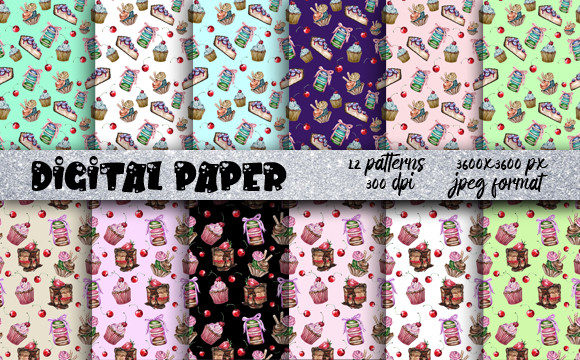
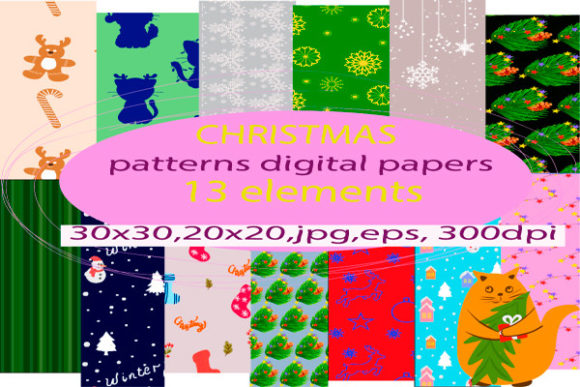
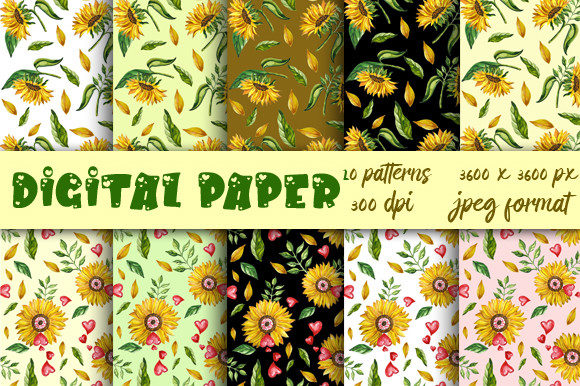
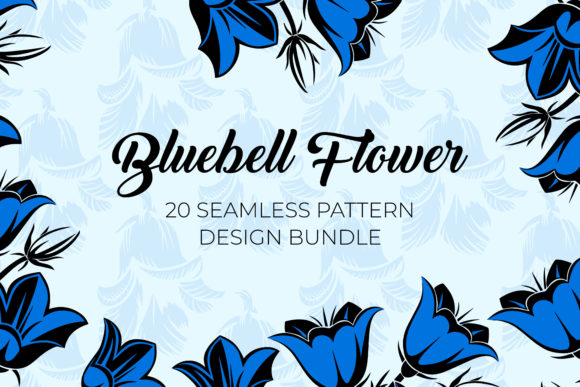
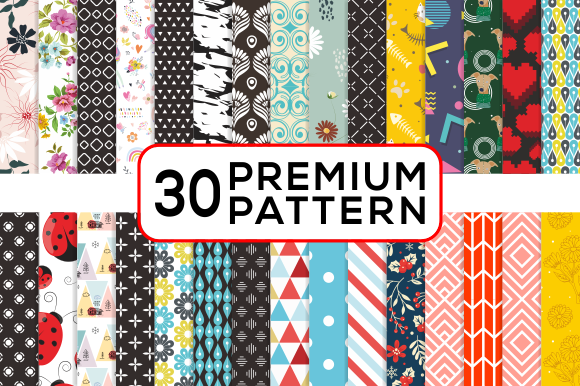
At its core, Premium Patterns Digital Paper refers to downloadable digital files—typically in JPEG or PNG format—that feature repeating or seamless patterns, often at 300 DPI (dots per inch) resolution. The "premium" label usually signals a higher standard of design complexity, color accuracy, and file readiness for professional printing. These patterns can range from floral motifs, geometric abstracts, and watercolor textures to vintage damasks, marble effects, or seasonal themes.
Unlike free pattern resources, packs labeled as premium are generally curated by experienced surface pattern designers, ensuring cohesive color palettes and clean, precisely tiled repeats. Many bundles include multiple file formats or pattern swatches specifically sized for common commercial uses—such as 12x12 inches for scrapbook paper or A4 for stationery. You purchase them once and may use them repeatedly, subject to the licensing terms provided by the seller.
Why Creatives Evaluate This Type of Resource
People typically consider premium pattern digital paper when they face one or more of the following practical scenarios:
- They need pattern variety that can be reused indefinitely without degradation.
- They want to produce physical goods—like journals, cards, or framed prints—without investing in physical paper stock upfront.
- They design digital products, such as social media graphics, website backgrounds, or printable planners, where instant access is critical.
- They seek to avoid the unpredictability of free downloads, many of which suffer from low resolution, uneven repeats, or unclear licensing.
The digital format gives you on-demand access: you purchase, download, and immediately start creating. This removes a significant barrier for creatives who work across different time zones or need to rapidly prototype ideas for clients.
Consistent Print Quality
Premium files are typically provided at 300 DPI, which is the industry standard for crisp, professional printing. When properly prepared, the patterns print without pixelation on a wide range of paper types, from standard cardstock to textured fine art papers. You control the final output medium, which can be a considerable advantage over purchasing pre-printed sheets that may not match your preferred paper weight or finish.
Design Cohesion
Well-designed premium packs often include coordinated colorways and complementary patterns that work together. This makes it easier to create a cohesive brand identity or a polished product line without hand-matching individual files from disparate sources. For example, a "Modern Bohemian" set might include a main floral, a dot texture, a subtle stripe, and a solid tone-on-tone wash—all sharing the same earthy palette.
Flexible Commercial Use Licenses
Many premium pattern paper creators offer clear commercial use rights either included or as an extended license. This detail is essential if you plan to incorporate the patterns into products you sell, such as stationery sets, fabric printed via Spoonflower, or digital scrapbooking kits. Always verify the license, but the transparency is generally a step above what you receive with free resources.
Tradeoffs and Practical Considerations
No creative resource is without limitations, and being aware of them helps prevent frustration later. Premium Patterns Digital Paper comes with several tradeoffs that warrant careful thought.
Upfront Cost Without Physical Goods
You are paying for a digital file, not a tangible product. If you accidentally delete your files and have no backup, you lose your purchase. Additionally, while a $15–$40 pattern pack might seem reasonable, costs accumulate if you need a wide variety of styles across multiple projects. Budget-conscious buyers should compare the cost per design to alternatives like subscription services or physical paper pads.
Printing Variables Remain Your Responsibility
Even the highest-quality digital file won’t compensate for an uncalibrated printer, incorrect color profiles, or low-quality paper stock. Colors can shift noticeably between screen and print. You’ll need a basic understanding of printer settings, or be willing to use a professional printing service, to truly realize the premium quality you paid for. Some users are disappointed when the vibrant screen view translates to a muted printed result because they hadn’t accounted for CMYK conversion.
Skill and Software Requirements
You generally need some familiarity with image editing or layout software—such as Photoshop, Canva, or Affinity Designer—to resize, tile, or layer patterns into your projects. While many files are ready to use, seamless patterns might still require proper placement to avoid awkward cut-offs. For someone who expects a fully plug-and-play solution, this learning curve can be an unexpected hurdle.
Risk of Overused or Generic Aesthetics
Because popular pattern packs are sold to many buyers, there is a chance your finished products will look similar to those of others. This is especially relevant for small business owners who rely on unique branding. You can mitigate this by combining patterns, recoloring elements (if the license permits), or using them as backgrounds rather than focal points, but it’s a factor to keep in mind.
Situations Where Premium Patterns Digital Paper Excels
Based on user feedback and practical application, several scenarios make investing in premium digital patterns particularly worthwhile.
- Print-on-demand shops and Etsy sellers: These creators need high-quality, repeatable assets for products like notebooks, mugs, and T-shirts without managing physical stock. The one-time purchase model fits their workflow.
- Scrapbookers and paper crafters who want unlimited reproductions: Once you have the file, you can print the same sheet ten times or a hundred times, making it cost-effective for mass card-making or album projects.
- Brand identity development: When a pattern is used consistently across packaging, social media, and stationery, the investment in a cohesive premium set reinforces visual identity more effectively than mismatched free sources.
- Wedding or event designers: Coordinated suites for invitations, menus, and signage benefit from premium patterns that ensure a seamless, elegant look across all touchpoints.
When Alternatives May Be a Better Fit
Premium digital paper is not a universal solution. Certain circumstances make other options more logical.
You Need Immediate Tactile Variety
If your creative process relies on physical texture—feeling the tooth of a hot-pressed watercolor paper or the metallic sheen of foil—digital files cannot replicate that experience. Purchasing a curated physical paper pad or specialty cardstock might serve you better. Similarly, if you only need a small number of sheets for a one-off project, a physical purchase may be more economical and less time-consuming than printing your own.
Your Project Is Screen-Dominant and Requires Vector Files
While premium patterns typically come as high-resolution raster images, some design tasks demand infinite scalability without quality loss—think large-format banners or resizable app backgrounds. In such cases, vector-based pattern resources (often found as AI or EPS files) or subscription services that include vector patterns may be a more suitable investment.
You Have Minimal Control Over Color Output
If you print often on inexpensive home printers that don’t handle color profiling well, the gap between the premium file’s potential and your actual output could lead to disappointment. In this case, purchasing professionally printed patterned paper from a trusted manufacturer might give you more predictable results without requiring you to become a color management expert.
Subscription-Based Access Fits Better
For creatives who need a constantly refreshed library without a long-term commitment to any single pack, platforms offering all-you-can-download subscriptions (common in the graphic design asset space) often provide pattern resources along with other design elements. The per-asset cost can be lower, though quality and licensing consistency should be carefully checked.
A Practical Decision-Making Framework
Instead of asking whether Premium Patterns Digital Paper is “good” in a vacuum, evaluate it through the lens of your specific workflow and constraints.
- Clarify your end use: Are you printing on demand, creating digital products, or prototyping physical items? The value proposition shifts heavily based on this.
- Audit your software comfort level: If you already use design software and understand resolution and bleed settings, you’ll extract far more value than someone starting from scratch.
- Examine the license before purchase: Look for explicit statements about allowable print runs, use in trademarked product lines, and whether you can modify the patterns. Trustworthy sellers make this information easily accessible.
- Sample before committing to a pack: Many designers offer a free pattern or low-cost mini-pack. Test it end-to-end: download, import, edit, print. Evaluate the color accuracy and pattern repeat on your equipment. This small step prevents larger sunk costs.
- Compare total cost: Calculate the cost per unique pattern and weigh it against a physical paper pad’s number of sheets, factoring in your printing expenses. Sometimes the digital option is cheaper; other times it’s not.
Long-Term Value and Integration
Creators who consistently incorporate digital patterns into their work often build a personal library over time. Premium patterns, when organized with good metadata and backup habits, become a lasting asset. They can be recolored, mixed, and repurposed across seasons and product lines, extending their life far beyond a one-time physical purchase. However, this long-term value depends heavily on your discipline in file management and your commitment to learning the printing nuances that bring digital designs to life.
When you align the purchase with your actual production environment—whether that’s an inkjet printer, a professional print shop, or a purely digital canvas—Premium Patterns Digital Paper can serve as a reliable, creative springboard. When mismatched with your capabilities or needs, it may simply collect digital dust. The key is to approach it not as a magic solution, but as a tool whose usefulness is determined by the hands that wield it.