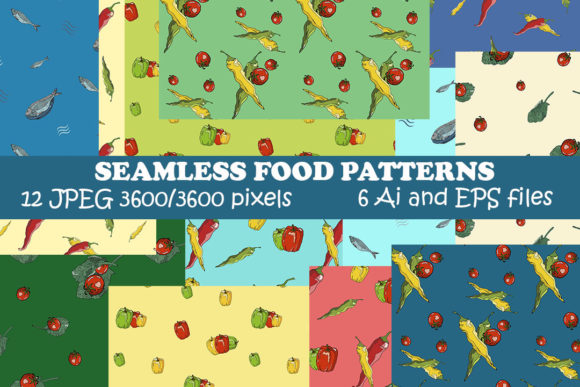
SEAMLESS FOOD PATTERNS: Beyond Meal Planning
The days of rigid meal schedules, frantic grocery runs, and the guilt of an unused ingredient languishing in the fridge are giving way to a more fluid approach. At its core, the concept of SEAMLESS FOOD PATTERNS represents a holistic shift in how we think about, source, prepare, and consume food. It is not merely a new label for meal planning. Instead, it describes an integrated system where food procurement, nutrition, convenience, sustainability, and personal enjoyment flow together without friction, adapting effortlessly to the rhythms of modern life.
Why SEAMLESS FOOD PATTERNS Are Now Essential
This approach has gained critical relevance because our daily patterns have fundamentally changed. The traditional separation of work, home, social, and personal time has blurred. Professionals, freelancers, and entrepreneurs often work irregular hours. Parents juggle hybrid schedules. The demand for flexibility is paramount. A SEAMLESS FOOD PATTERN accommodates a video call that runs late, a sudden creative burst, or a child’s unexpected activity, without derailing nourishment. It moves food from being a logistical problem to a supportive background process.
Furthermore, user expectations have evolved. We expect services—from streaming to software—to be intuitive, personalized, and on-demand. This mindset now extends to food. People are less tolerant of processes that feel cumbersome or wasteful. They seek solutions that feel intelligent and responsive to their actual habits, not a pre-scripted ideal. SEAMLESS FOOD PATTERNS meet this expectation by focusing on adaptation and efficiency.
The Evolution from Planning to Patterns
Historically, meal planning was a top-down, weekly exercise. It often assumed a stable routine and predictable appetites. While useful, it could be brittle. One change in schedule could break the plan, leading to stress or waste. The evolution towards SEAMLESS FOOD PATTERNS is a response to this brittleness. It incorporates elements like:
- Flexible Core Ingredients: Stocking versatile staples (e.g., grains, legumes, frozen vegetables, base sauces) that can be combined in multiple ways depending on time and desire.
- Just-In-Time Procurement: Leveraging grocery delivery, meal kits, or local market visits as a responsive supplement to core staples, not the sole source.
- Batch-Adaptive Cooking: Preparing components that can be assembled differently across several meals—a roasted protein used in a salad, a wrap, and a bowl over three days.
- Technology Integration: Using apps and tools not just for recipes, but for inventory tracking, waste reduction reminders, and connecting with local food producers.
This shift turns food management into a continuous, low-friction loop rather than a weekly reset.
Practical Implications for Professionals and Creators
For individuals with dynamic workloads, a SEAMLESS FOOD PATTERN is a productivity tool. It removes the cognitive load of daily “what to eat” decisions, preserving mental energy for work or creative projects. A practical implementation might look like this: A freelance designer maintains a pantry of foundational items. On a light workday, she might prepare a new dish from scratch. When a client deadline looms, she assembles a quick bowl using pre-prepared components from the freezer or uses a reliable delivery service for a specific need. The pattern seamlessly adjusts to her output tempo without requiring a new plan each week.
Business owners and marketers can observe this trend as a lens for consumer behavior. It reflects a demand for products and services that enable flexibility—like modular meal kits, adaptable subscription models, or appliances that support staggered cooking. Understanding SEAMLESS FOOD PATTERNS helps businesses develop offerings that integrate into customers’ lives rather than demanding conformity.
Integrating Sustainability and Ethical Consumption
A truly seamless pattern also addresses growing concerns about waste and sourcing. When food procurement is responsive and inventory is managed continuously, over-purchasing decreases. This pattern naturally aligns with sustainability goals. For example, buying seasonal produce from a local farm share becomes part of the pattern when you have a system for incorporating those items flexibly into your meals. The ethical choice becomes easier because it’s built into your operational flow, not an extra effort.
Building Your Own SEAMLESS FOOD PATTERN
Adopting this approach does not require a drastic overhaul. Start by observing your actual week. Identify your high-energy and low-energy periods. Notice when you typically have time to cook and when you need instant solutions. Then, build your pattern around these realities.
- Establish Your Foundation: Choose 5-10 staple items you always have. These should be non-perishable or long-lasting and form the base of many meals.
- Create a Responsive Shopping List: Keep a digital or physical list of “gap” items. Add to it when you notice a need, and act on it when convenient, not under pressure.
- Master a Few Template Meals: Develop 3-4 meal structures (e.g., grain + protein + vegetable + sauce) that you can vary endlessly with your available ingredients.
- Embrace Hybrid Solutions: Combine home-cooked elements with a quality prepared item from a trusted source without guilt. The pattern is about nourishment, not purity.
- Review and Adjust: Every few weeks, check what you wasted or what caused stress. Adjust your staples or processes accordingly.
The goal is a system that feels effortless and sustaining, turning food into a reliable support rather than a daily challenge.
The Role of Community and Shared Patterns
SEAMLESS FOOD PATTERNS often extend beyond the individual. Families can develop shared patterns that accommodate different members’ schedules. Co-living professionals might coordinate a foundation pantry. Online communities share tips for flexible batch cooking or local sourcing. This collaborative aspect helps normalize the idea that food routines can and should be personalized and adaptive, not standardized.
The Future Is Adaptive, Not Automated
Looking forward, the progression of SEAMLESS FOOD PATTERNS will likely be powered by better tools for inventory management, smarter delivery integrations, and more awareness of nutritional balancing. However, the core principle will remain human-centric. It is about designing a food flow that respects your time, your energy fluctuations, and your values. It avoids the hype of full automation for a more realistic, adaptable integration. The pattern succeeds when you spend less time managing food and more time enjoying it, fueled by it, and living your life around it—seamlessly.