Seamless Patterns Digital Paper for Creative Projects
You have probably scrolled through a marketplace, opened a beautifully wrapped product, or visited a website where the background texture felt so cohesive it almost disappeared into the experience. That quiet polish often comes from Seamless Patterns Design - Digital Paper, a resource that blends artistic expression with functional repetition. It is not just a decorative asset. It is a practical building block for visual storytelling, branding, and production efficiency.
Understanding what makes these digital pattern files distinct—and how they may fit into your workflow—can shape the way you approach creative projects, whether you are designing for print, digital media, or physical surfaces.
What Seamless Patterns Design - Digital Paper Actually Is
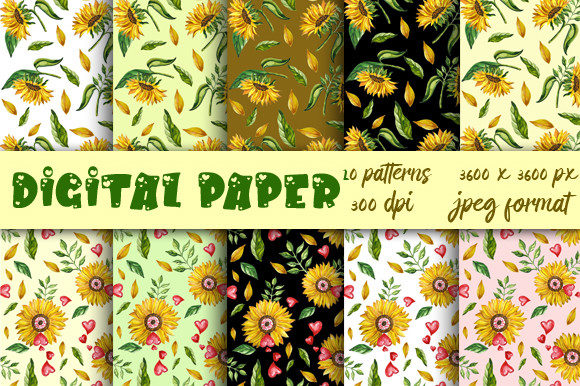
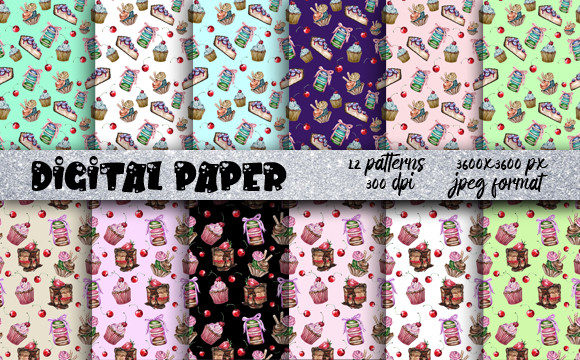
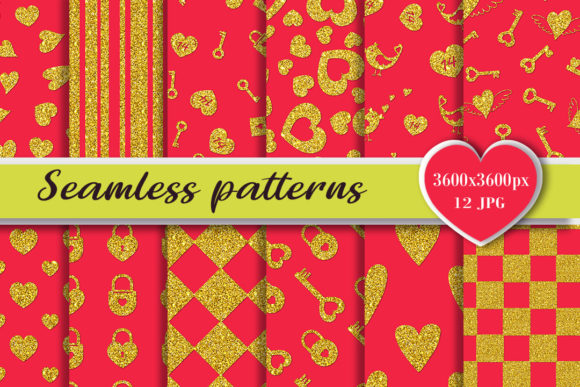
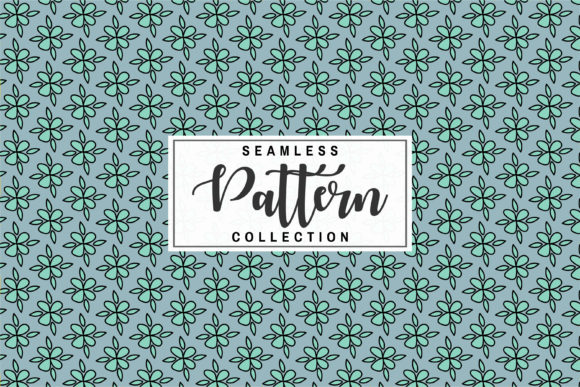
At its core, Seamless Patterns Design - Digital Paper refers to high-resolution image files where a repeating motif tiles without visible edges or breaks. Think of a polka dot, a watercolor wash, a geometric lattice, or a floral motif that connects perfectly at all four sides. When you place these tiles side by side, the pattern continues indefinitely without a jarring seam line.
These designs typically come as JPEG or PNG files at 300 DPI or higher, sized at common dimensions like 12x12 inches. This makes them ready for both screen and press. The term "digital paper" points to their primary use as a background layer—much like physical scrapbook paper—but their versatility extends well beyond craft tables.
Why the "Seamless" Quality Matters More Than You Think
Few things undermine a visual composition faster than a repeating background that shows obvious grid lines. A viewer may not consciously register the flaw, but they will sense something feels off. True seamlessness eliminates this distraction.
For product packaging designers, a seamless tile can wrap around a box corner without interruption. For web developers, it allows a background to stretch across any screen width without awkward cuts. For fabric designers, a seamless repeat ensures that a pattern flows naturally across yardage. The technical precision baked into Seamless Patterns Design - Digital Paper saves you from patching imperfections later—work that can eat hours of editing time.
Branding and Marketing Collateral
Small business owners often need to produce social media graphics, business cards, or flyer backgrounds on tight timelines. A well-chosen digital pattern can establish brand personality instantly—soft watercolor textures for a wellness coach, sharp geometric lines for a tech consultant, hand-drawn botanicals for a florist. Because the pattern file tiles seamlessly, you can scale it to any layout size without worrying about resolution loss or visible repetition artifacts.
Marketers who manage multiple campaigns may find value in building a small library of pattern textures that match different seasonal themes or audience segments. This approach supports visual consistency across email headers, landing page sections, and printed mailers without starting from scratch each time.
Product Creation and Print-on-Demand
Entrepreneurs who sell through print-on-demand platforms regularly face a practical challenge: creating surface designs that look professional across diverse product types. A seamless pattern file can serve as the foundation for tote bags, phone cases, notebooks, leggings, or wallpaper panels. Because the tile repeats cleanly, the pattern reads as intentional design rather than a cheaply stretched image.
Publishers and stationery designers also rely on Seamless Patterns Design - Digital Paper for endpapers, journal interiors, planner dividers, and gift wrap. The repeatability means you can cover large print areas without enormous file sizes or vector complexity, which keeps production pipelines lean.
Digital Content and User Experience
Bloggers, course creators, and educators frequently need backgrounds for slide decks, worksheets, video thumbnails, or downloadable PDFs. A subtle seamless pattern can add texture and depth without overwhelming text or making files difficult to read. The key is choosing patterns with appropriate contrast levels—something muted for text-heavy materials, something bolder for decorative headers or section breaks.
Web designers may also use these digital papers as section dividers, hero image overlays, or subtle site-wide textures that reinforce a brand's aesthetic without slowing page load times. Since a single tile file is relatively small, it offers a light alternative to large photographic backgrounds.
Time Savings and Workflow Efficiency
Creating a seamless pattern from scratch involves technical skill. You need to offset the design, test the repeat, clean up edge mismatches, and export at the correct resolution. Even experienced designers can spend an hour or more perfecting a single tile. For someone who needs multiple pattern options quickly—perhaps a freelancer juggling several client projects—purchasing or downloading ready-made Seamless Patterns Design - Digital Paper can free up significant creative bandwidth.
This efficiency is not about cutting corners. It is about reallocating effort toward higher-impact tasks like layout composition, typography, copywriting, or client consultation. The pattern resource becomes a time-saving asset rather than a creative crutch.
Supporting Creative Exploration Without Risk
Experimentation carries less pressure when you are working with pre-made elements. A hobbyist scrapbooker can try out a bold pattern on a digital layout and simply swap it if it does not work. A freelance illustrator can test different background textures behind a character design before committing to a final composition. This low-risk exploration often leads to more interesting creative choices because the barrier to trying something new is so low.
Educators teaching design fundamentals may also use seamless digital papers to demonstrate principles of contrast, color theory, and visual hierarchy without requiring students to build patterns from scratch. The focus shifts to how patterns interact with other elements, which is a valuable design skill in its own right.
Who Gains the Most from These Pattern Resources
- Small business owners who create their own marketing materials and need professional-looking backgrounds without hiring a designer for every asset.
- Freelance designers who want to expand their pattern library for client projects in branding, packaging, or editorial design.
- Print-on-demand creators who must produce repeatable surface designs that look polished on physical products.
- Bloggers and content creators who need consistent, attractive visual assets for multiple platforms and media types.
- Crafters and hobbyists who use digital scrapbooking software or cutting machines and enjoy exploring new pattern possibilities.
- Educators and course creators who design handouts, slide decks, and downloadable resources that benefit from subtle visual structure.
What connects these groups is a need for visual quality paired with practical usability. They are not looking for one-off art pieces. They need flexible, repeatable assets that integrate into a larger workflow.
Realistic Considerations Before You Dive In
Like any design resource, Seamless Patterns Design - Digital Paper comes with a few points worth considering. Not every pattern file is created with the same care. Some lower-quality downloads may claim to be seamless but still show faint mismatched edges at certain zoom levels. Testing a tile by placing it side-by-side in your design software before committing to a large project is always a wise step.
Licensing terms also vary. A pattern you purchase for personal scrapbooking may not extend to commercial product creation or large-scale manufacturing. Reading the usage terms upfront prevents complications later, especially for entrepreneurs who plan to sell goods featuring the pattern.
Additionally, while pre-made patterns save time, they cannot offer complete originality. If your brand depends on a truly unique visual signature, you may eventually want to commission custom pattern designs or learn to create your own. Pre-made resources serve well as starting points, placeholders during prototyping, or supplementary assets in a broader brand system.
Choosing Patterns That Align With Your Goals
With thousands of options available across various online marketplaces, narrowing the field requires clarity about your end use. Ask yourself a few practical questions before browsing:
- What is the primary medium? Print projects demand 300 DPI at the intended physical size, while digital projects can often work with lower resolutions. Matching the file specifications to your output prevents quality gaps.
- What level of contrast works with your content? Patterns with strong value shifts can distract from overlaid text or product imagery. Subtle, low-contrast designs often serve better as true backgrounds.
- Does the style align with your audience's expectations? A corporate presentation may call for refined, understated textures, while a children's product line benefits from playful, colorful repeats.
- How many variations do you need? Some pattern collections offer coordinating designs within a unified color palette, which can support cohesive multi-page or multi-product projects.
Taking fifteen minutes to define these parameters before purchasing or downloading can reduce the likelihood of unused files piling up in a forgotten folder.
The Relationship Between Patterns and Professional Presentation
Thoughtful use of Seamless Patterns Design - Digital Paper often separates amateur output from work that feels considered and complete. A proposal document with a carefully textured cover, a product listing with a subtle fabric pattern behind the hero image, or a workshop handout with soft geometric borders all benefit from background elements that enhance rather than compete.
This does not mean every piece needs a pattern. White space and clean minimalism remain powerful design approaches. But when texture and repetition serve a specific purpose—evoking a mood, reinforcing a theme, or simply adding warmth—seamless digital papers offer a direct path to achieving that result without extensive production time.
Integrating These Resources Into a Long-Term Workflow
Professionals who return to pattern resources repeatedly often develop a system. They maintain a curated folder of tried-and-tested designs organized by style, color family, or project type. They note which patterns rendered well in print versus screen and keep a shortlist of go-to options for quick-turnaround work. This approach turns a scattered collection of files into a reliable toolkit.
For those just starting out, experimenting with a small set of high-quality patterns across a few projects reveals what works and what does not. Over time, personal preference and practical experience shape a more intentional selection process.
The quiet value of Seamless Patterns Design - Digital Paper lies in its dual nature: it is both an artistic element and a practical mechanism. When the repeat works correctly, the viewer rarely notices the engineering behind it. They simply experience the finished piece as cohesive, intentional, and professional. And for the creator, that outcome is usually the goal.