Valentine Graphics Seamless Patterns for Every Project
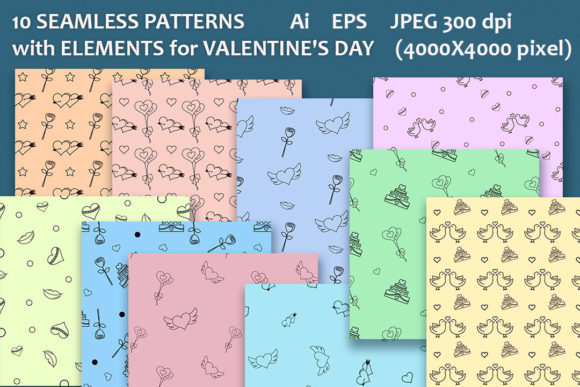
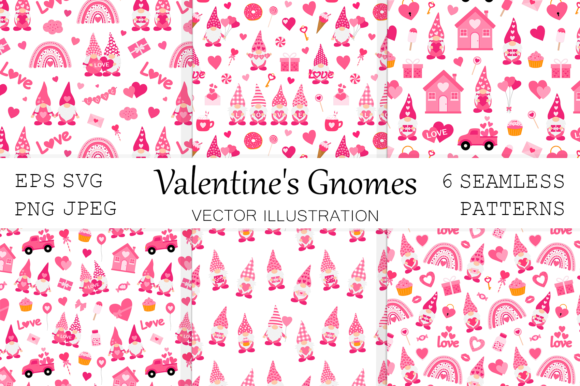
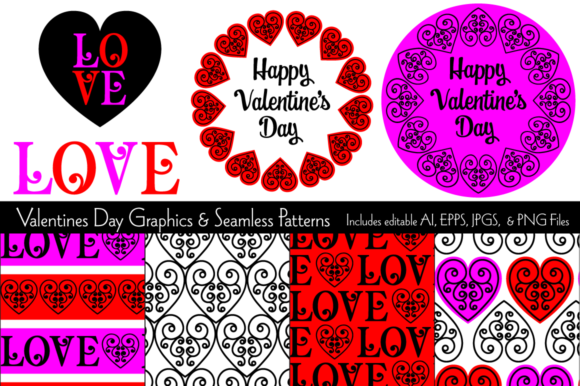
Picture a heart motif that repeats perfectly across a bolt of fabric, a phone case, or a website background. That is the essence of Valentine Graphics Seamless Patterns. These are digital design assets built to tile endlessly without visible seams or awkward breaks. They typically feature romantic elements like hearts, roses, Cupid illustrations, love letters, confectionery motifs, and soft pastel textures. What makes them "seamless" is the careful edge construction that allows the design to loop in every direction without interruption. Designers, crafters, and business owners reach for these patterns when they need a polished, repeatable visual that evokes affection, warmth, and celebration.
Not everyone approaches these patterns the same way, nor should they. A stationery shop owner might want a single charming pattern for a greeting card run, while a surface pattern designer might dissect the layering technique and file structure to learn something new. Both perspectives matter, and understanding where you fall on that spectrum helps you choose and use Valentine Graphics Seamless Patterns more wisely.
What Exactly Are Seamless Valentine Patterns
Technically, a seamless pattern is a square or rectangular image engineered so that its left edge aligns precisely with its right edge and its top edge aligns with its bottom edge. When set to repeat, the result looks like a continuous field of design. In the Valentine niche, you will find patterns filled with hand-drawn hearts, watercolor rose bouquets, vintage love notes, whimsical doodles, or minimalist geometric heart repeats. The file format is usually a high-resolution raster image like JPG or PNG, though many professional sets include vector files such as AI, EPS, or SVG for infinite scaling.
These patterns live inside digital marketplaces, design bundles, subscription libraries, and independent artist shops. Some are sold individually. Others arrive inside large themed collections with coordinating clipart, card templates, and fonts. Understanding what you are actually downloading matters because a beginner might need a ready-to-print JPG at 300 DPI while a seasoned graphic designer might demand layered, editable vector source files.
Why Different People Care for Different Reasons
The usefulness of a seamless Valentine pattern changes dramatically depending on the person holding the download link. Recognizing that variety helps you avoid buying the wrong type of file or missing out on a better option hiding in plain sight.
The Creative Hobbyist and Handmade Seller
For someone making Valentine's Day crafts at home or running a small handmade shop, speed and print-ready quality often matter most. They might print a pattern onto cardstock for gift tags, iron it onto a tote bag using transfer paper, or use it as scrapbook paper. These users value a high-resolution JPG or PNG that looks crisp straight off the home printer. They tend to prioritize cost, immediate usability, and a charming aesthetic over deep editability. A $5 pattern pack with ten designs that prints beautifully on letter-size paper can feel like a genuine win.
Practical example: A mom preparing classroom valentines for her child's school party downloads a seamless heart pattern, prints it on adhesive paper, and wraps small chocolate bars. She does not need vector files or commercial licensing. She needs something beautiful that works right now.
The Small Business Owner and Product Designer
Entrepreneurs who sell physical or digital products must think about licensing, scalability, and surface application. A pattern that looks sweet on a mug might blur on a duvet cover if the resolution is too low. Business owners evaluate patterns by checking pixel dimensions, DPI, and whether the file format suits their production method. Print-on-demand sellers uploading designs to platforms like Redbubble or Printify need patterns that tile flawlessly at large scales and meet the platform's file requirements.
They also care about commercial use terms. Many pattern purchases come with personal-use-only licenses by default. A small business owner must verify that extended commercial rights are included or available. Overlooking this detail can lead to takedown notices or legal headaches.
Practical example: A boutique owner who sells linen table runners wants a subtle, romantic pattern for a Valentine's seasonal collection. She sources a seamless rose motif in a high-resolution PNG, checks the DPI with her fabric printer, and confirms the commercial license covers up to 500 units. The right pattern becomes a product line.
The Graphic Designer and Marketing Professional
Designers creating social media graphics, email headers, event flyers, or branded content think about layering, color adjustment, and file integration. A flattened JPG limits their options. They want editable vector formats or layered PSD or AI files where individual elements can be recolored, resized, or rearranged. Designers also evaluate how well the pattern matches existing brand palettes. A candy-pink heart pattern might need shifting toward a deeper crimson for a luxury chocolate brand's Instagram story.
Speed and flexibility both matter here. A designer might use the same seamless pattern across five different campaign assets, each requiring different crop ratios or overlay effects. If the file does not support that workflow, the pattern can become more obstacle than asset.
Practical example: A marketing coordinator for a florist chain needs a Valentine's email blast background. She finds a seamless watercolor floral pattern, opens the vector file in Illustrator, adjusts the hue to match the brand's signature blush tone, and exports a perfectly tiling background for the email template. The editability of the vector format made the difference.
The Educator and Content Creator
Teachers, course creators, bloggers, and YouTube hosts use Valentine patterns to add visual warmth to worksheets, presentation slides, video thumbnails, and printables. Their priorities often blend aesthetics with clarity. A pattern used as a slide background must be subtle enough that text remains legible. A worksheet header should not distract from the math problems printed over it.
Educators may also value variety within a single bundle. A pack containing multiple coordinating seamless patterns lets them create a cohesive look across a lesson plan, handouts, and classroom decorations without hunting through separate purchases.
Practical example: A preschool teacher creating a Valentine's Day activity booklet needs a light, repeatable heart pattern for page borders. She selects a low-contrast pastel design that adds festive charm without competing with the tracing exercises and coloring prompts inside. A bundle with both bold and subtle options gave her that choice.
The Surface Pattern Designer and Illustrator
This group uses patterns not just as end products but as learning tools. An emerging surface pattern designer might buy a well-reviewed Valentine seamless pattern set to study its construction. They examine how the artist handled the edges, balanced the composition, and chose a color story. Some open the layered file and reverse-engineer the tiling technique. For these users, the educational value of a high-quality pattern can outweigh its direct use in a project.
Professional illustrators also license patterns to expand their own product lines quickly. Instead of building every Valentine-themed design from scratch, they might purchase a commercial-use pattern collection, modify elements heavily, and incorporate the results into a larger fabric collection or wallpaper line. Quality, originality potential, and licensing clarity become top priorities.
Priorities That Shape Your Pattern Purchase
Every buyer weighs different factors when evaluating Valentine Graphics Seamless Patterns. Recognizing what you personally need most can save money, reduce frustration, and lead to a better creative outcome.
Ease of use matters to those who want drag-and-drop simplicity. A single JPG file that tiles with one click inside Canva or PowerPoint delivers exactly that. No learning curve. No software requirements beyond a web browser.
Cost sensitivity guides hobbyists and casual creators. Many high-quality Valentine patterns exist at accessible price points, and some are even free with attribution. But lower cost sometimes means limited resolution, fewer colorways, or personal-use-only terms.
Quality and resolution are non-negotiable for print production. A pattern that looks beautiful on screen at 72 PPI may look pixelated or muddy when printed at 300 DPI on a physical product. Print-focused buyers must verify native resolution before purchasing.
Flexibility and editability separate the casual user from the working designer. If recoloring a pattern requires complex Photoshop masking, a flattened raster file may feel restrictive. Vector formats and layered files offer control that many professionals depend on.
Presentation and aesthetic style are what most people notice first. Some buyers want watercolor softness. Others prefer bold, graphic, modern heart repeats. The style must match the project's overall feel, whether that is elegant, playful, romantic, or childlike.
Speed can be the deciding factor. A last-minute project demands a pattern that downloads quickly, imports easily, and tiles without troubleshooting. Designers and marketers facing tight deadlines often prioritize reliability and simplicity over elaborate file features.
Reliability and tiling accuracy are technical but essential. A pattern advertised as seamless should actually tile perfectly at multiple scales. Inconsistent seams disrupt the illusion and can render a design unusable for large-format applications.
Commercial value and licensing affect anyone selling products or services. Patterns used on merchandise, promotional materials, or client work need clear, dependable commercial terms. Ambiguous licensing creates real risk.
Learning value might be the quiet priority you did not realize you had. Analyzing a well-constructed pattern teaches technique. For someone building design skills, that invisible education has lasting benefits beyond the immediate project.
Matching the Pattern to Your Personal Goals
Before browsing another marketplace page, pause and articulate what you actually need. Are you making ten handmade cards for friends, or are you launching a seasonal product line with inventory to manage? The answer reshapes what "good enough" means.
If your goal is personal enjoyment, a small, affordable JPG pack with charming motifs and simple licensing will likely serve you beautifully. Prioritize aesthetics and ease of use. Do not overcomplicate things by chasing vector files you will never edit.
If your goal is commercial product creation, look beyond the preview image. Read the licensing section carefully. Download a sample tile if available and test it at your target print size. Check for color consistency across the pattern repeat. A single misaligned heart can ruin a production batch.
If your goal is skill development, consider buying one premium, well-documented pattern from an artist you admire rather than a sprawling budget bundle. Study that single file deeply. Recreate its tiling logic in your preferred software. The investment in understanding will pay dividends.
If your goal is client work or professional marketing, confirm file compatibility with your workflow. Ask yourself whether you need to change colors, extract individual motifs, or scale the pattern to unusual dimensions. Buy based on those technical requirements rather than purely on visual appeal.
Practical Ways Different People Put Patterns to Work
Let us move beyond theory into real-world applications. A blogger writing a Valentine's recipe roundup uses a seamless heart pattern as a post header background, setting a festive tone without distracting from the food photography. They download a soft, low-contrast PNG, upload it to their site's theme customizer, and publish within minutes.
A freelance illustrator preparing a Valentine's collection for a fabric company incorporates several seamless patterns into a pitch deck. They combine purchased patterns with their own original artwork, adjusting colors to create a unified capsule collection. The patterns serve as both inspiration and functional building blocks.
An event planner designing a corporate Valentine's gala uses seamless love-letter patterns as digital backdrops for table assignment screens and photo booth overlays. The pattern's repeatability means it adapts to any screen ratio without stretching or distortion.
A craft YouTuber films a tutorial on handmade Valentine's gift wrap. She prints a seamless pattern onto large sheets of newsprint using a wide-format printer, then demonstrates wrapping techniques. Her viewers see the pattern in action and often ask where they can find it, which makes the source link in her description box valuable.
Things Worth Checking Before You Download
A few practical steps can prevent the disappointment of realizing a pattern does not work as expected. First, check the file format list. If you need vector files and only JPG versions are included, move on. Second, scan the resolution specifications. Anything under 300 DPI at print size will struggle on physical products. Third, read at least the summary of the license terms. Look specifically for phrases about commercial use, print-on-demand permissions, and redistribution restrictions. Fourth, if a preview of the tile is available, examine the edges mentally. Ask yourself whether the repeat would look natural at the scale you intend to use. Fifth, consider whether the color palette shifts easily. A pattern locked into neon pink might restrict your options later.
Taking five minutes to verify these points returns outsized value. You might discover that a slightly more expensive option actually costs less in terms of editing time, or that a free option covers exactly what a simple project needs.
Long-Term Usefulness Beyond One Holiday
Valentine patterns might seem seasonally narrow, but thoughtful selections extend their utility. A pattern with subtle heart accents in neutral or muted tones can work for wedding invitations, anniversary announcements, or general romantic branding year-round. A vintage love-letter design might double as background texture for a historical blog or a literary podcast cover. Patterns built around universal motifs like roses, doves, or calligraphic script often transcend the February holiday entirely.
Designers who invest in high-quality, editable, commercially licensed Valentine Graphics Seamless Patterns often find themselves reaching for those files again in June for a bride's save-the-date card or in December for a cozy romantic winter collection. The asset becomes a reusable tool rather than a single-use decoration. That long-term usefulness depends heavily on format quality, editability, and the timelessness of the design itself.
Whether you are wrapping a single heartfelt gift or building an entire product collection, the right seamless pattern meets you exactly where you are. Knowing your own priorities and understanding how different file features serve different needs transforms a simple decorative purchase into a genuinely useful creative resource.