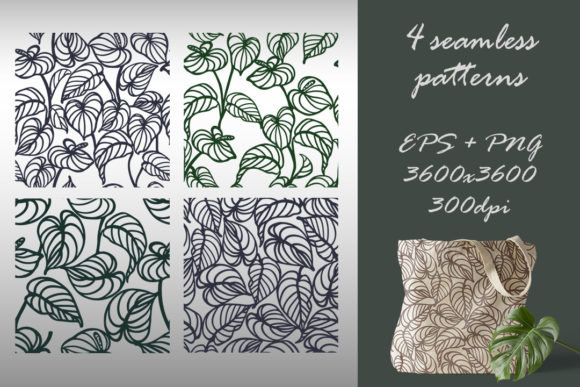
Mastering Natural Seamless Patterns for Effortless Design Flow
Have you ever looked at a beautifully printed fabric, a stunning website background, or a richly textured wallpaper and wondered why it feels so effortlessly cohesive? The answer often lies in one powerful design element: natural seamless patterns. These are repeating visual motifs that tile perfectly without visible edges or awkward breaks, creating a continuous, organic flow. Unlike patterns that look obviously stamped or gridded, natural seamless patterns mimic the irregular beauty found in nature—think scattered leaves, flowing water ripples, drifting clouds, or densely packed florals. They provide the visual comfort of the natural world while offering the technical precision required for digital and print media. For designers, artisans, and business owners alike, understanding and using natural seamless patterns can be the difference between a project that looks amateur and one that feels polished, intentional, and deeply engaging.
Identifying the Core Challenges in Pattern Design
Many people encounter the same recurring frustrations when working with patterned backgrounds or textiles. The most common complaint is the "grid effect"—a pattern where the repeat is painfully obvious, drawing the eye to a mechanical square or line instead of allowing the design to breathe. This problem becomes especially pronounced when printing fabric by the yard, designing large-format wall coverings, or creating website backgrounds that scroll endlessly. The human eye is remarkably good at detecting repetition, so a flawed seamless pattern immediately signals low quality.
Another challenge lies in achieving visual balance. Patterns that are too dense can feel overwhelming, while sparse patterns risk looking disconnected or patchy. There is also the technical hurdle of creating a true repeat at the pixel level. Even a single misaligned element can cause a distracting seam that ruins the immersive experience. For small business owners selling print-on-demand products, these issues can directly translate into customer dissatisfaction, returns, and a damaged brand reputation. The underlying goal, then, is not just to make a pattern repeat, but to create a harmonious flow where the eye accepts the design as continuous, believable space.
How Natural Seamless Patterns Address These Situations
Natural seamless patterns are specifically engineered to solve these pain points by using intelligent distribution, randomized scatter techniques, and edge-blending methods. Rather than using a rigid grid, designers build these patterns by allowing elements to overlap the repeat boundaries and reappear seamlessly on the opposite edge. Advanced techniques involve semi-transparent layers, varied scaling of motifs, and naturalistic color palettes that draw from organic references like wood grain, stone textures, or botanical arrangements. The result is a surface that appears to extend infinitely without any visible starting or stopping point.
This approach directly addresses the "grid effect" problem. Because elements are not mathematically spaced in perfect intervals, the brain interprets the layout as organic rather than artificial. A well-crafted botanical pattern, for instance, might position leaves and flowers in a seemingly random scatter, but careful planning ensures that the repeat is pixel-perfect. This combination of organic randomness and technical precision is what defines high-quality natural seamless patterns. For anyone who has struggled with jarring pattern seams on a long curtain or a padded product mockup, this methodology provides the antidote.
Practical Applications Across Different Mediums
The versatility of natural seamless patterns means they appear in far more contexts than many realize. In the textile industry, these patterns are the backbone of custom printed fabrics used in fashion, upholstery, and bedding. A dressmaker who sources a beautifully seamless floral print can cut and sew garments without worrying about a harsh repeat line bisecting a sleeve or bodice. For interior designers, large-scale wall murals and removable wallpaper rely on seamless repeats to make a small room feel expansive rather than boxed in by a tiling mistake.
Digital product creators find enormous value here as well. Web designers use subtle seamless textures as backgrounds to add depth to a page without slowing down load times via massive image files. A small CSS-tiled background based on a natural linen or watercolor wash texture can elevate a brand’s website from flat to sophisticated. Scrapbook designers, digital planners, and stationery brands incorporate these patterns into paper packs, washi tape designs, and packaging materials that require edge-to-edge coverage. In the realm of surface design, ceramic tile artists and manufacturers use natural stone and mineral patterns to produce surfaces that rival real marble or terrazzo at a fraction of the cost and with unlimited customization.
What To Look For In High-Quality Natural Seamless Patterns
Not all seamless patterns are created equal. When choosing or creating natural seamless patterns for your projects, several technical and aesthetic factors demand your attention. First, always examine the pattern at full scale and, ideally, tiled at least four times across. This test quickly reveals any harsh lines, unintended clustering, or prominent elements that "snag" the eye. A quality pattern will hold up under scrutiny, with no obvious focal point that screams "I am repeating."
Pay attention to color harmony and depth. Natural-looking patterns often employ subtle variations in hue, tone, and opacity to simulate atmospheric perspective—distant elements appear softer and lighter, while foreground motifs feel crisp and saturated. This technique prevents the visual flattening that makes many digital patterns look cheap. Additionally, consider the file format and resolution. For print purposes, vector-based patterns in formats like AI or EPS offer infinite scalability without pixelation. For digital use, high-resolution raster files in seamless PNG or JPG formats provide the best balance of quality and compatibility.
Customizing Patterns To Fit Specific User Needs
Different users approach natural seamless patterns with very different goals, and the best solutions adapt accordingly. A fabric designer launching a sustainable clothing line might prioritize organic, dye-like textures that evoke artisan craftsmanship. They will likely search for patterns that use uneven edges, watercolor bleeds, and muted earth tones. A tech startup, on the other hand, might need a highly abstract but natural-feeling geometric pattern that can animate subtly behind a user interface. In that scenario, a seamless pattern based on fluid wave forms, soft gradients, or root-like network structures could reinforce brand values of connection and innovation without distracting from the content.
Small business owners using print-on-demand services like Spoonflower, Redbubble, or Printful must also consider scale and color calibration. A pattern that looks beautifully delicate on screen can become muddy or overly large on a physical product. Testing samples and adjusting color profiles for CMYK or fabric-specific output is not optional—it is essential. Many pattern creators now offer color-swappable options or layered source files so that end users can tint a floral pattern from soft blush tones to deep jewel tones without losing the seamless quality. This kind of flexibility turns a single pattern purchase into a long-term asset.
Tools and Techniques for Creating Your Own Patterns
For those who prefer to build their own library of natural seamless patterns, modern software makes the process more accessible than ever. Adobe Illustrator's pattern tool allows you to define bounding boxes and see real-time previews as you arrange elements. Procreate on the iPad, combined with manual offset filtering, has become a favorite among illustrators who want a hand-drawn, organic feel. Affinity Designer offers robust symbols and power duplicate features suited for pattern tile creation without the need for a subscription.
The workflow for a natural look typically involves drawing or placing individual motifs, then using a half-drop or brick-repeat layout rather than a basic grid. This offset arrangement immediately breaks up horizontal and vertical lines, delivering a more organic rhythm. After establishing the repeat, smart use of clone stamp tools or blending brushes can soften the edges where elements meet the tile boundary. A final step of adding global noise, grain, or subtle texture overlays can further unify the pattern and mask any remaining digital artifacting. Remember that the goal is not just technical repeatability but perceptual seamlessness.
Outcomes Worth Expecting When Done Right
Investing time and resources into finding or creating excellent natural seamless patterns pays tangible dividends. In commercial product design, a well-executed pattern increases perceived value. Consumers subconsciously associate seamless, organic repeats with higher manufacturing standards and attention to detail. A throw pillow with a perfectly scaled and uninterrupted botanical print simply looks more luxurious than one that reveals its production shortcuts. In branding, a signature seamless pattern can become instantly recognizable, strengthening visual identity across packaging, social media graphics, and physical environments.
For digital experiences, the outcome is equally valuable. A website that uses a subtle, natural-feeling background texture retains visitors longer because the visual environment feels comfortable rather than sterile. E-commerce platforms benefit from high-quality pattern assets that render beautifully on product detail pages without the cognitive noise created by mismatched or poorly tiled graphics. The end result is a smoother user journey and a stronger emotional connection to the visual atmosphere being created.
Common Missteps and How To Avoid Them
Even experienced designers sometimes stumble when working with natural seamless patterns. One frequent mistake is forgetting to consider the edges of the usable area, particularly in packaging or book covers, where a pattern may not tile infinitely in the viewer's frame. A design that relies heavily on a single, prominent flower that gets clipped awkwardly at the fold loses its natural charm. Spreading focal elements more evenly and testing the pattern under various cropping scenarios helps prevent this issue.
Another pitfall involves scale mismatches. A pattern designed for a smartphone screen will feel chaotic when blown up to a billboard scale. Conversely, a pattern created for wide-format fabric might lose all detail on a small tag or label. Designers should always evaluate patterns at the intended size and, when possible, create multiple scale variants or provide clear usage guidelines. Lighting and texture also matter: a flat vector leaf pattern can feel unnatural if the surrounding design elements, like product photography or UI components, use realistic shadows and gradients. Adding slight shading or internal detail to pattern motifs can bridge that gap effectively.
Building a Resource Library That Serves You Long-Term
A strategic approach to collecting and organizing natural seamless patterns saves time and encourages better design decisions. Rather than grabbing random freebies that may be poorly constructed or improperly licensed, curate a folder of verified, high-quality assets. Categorize them not just by theme—floral, geometric, organic, abstract—but also by dominant color temperature, mood, and ideal application context. A pattern labeled "cool-toned botanical, subtle, suitable for website backgrounds" is infinitely more useful than "pretty leaves."
This organizational effort pays off when you need to rapidly prototype a product line or present mood boards to a client. It also reveals gaps in your resources, prompting you to seek out or create patterns in underserved categories. Over time, you build a personal design ecosystem that supports faster iteration and higher aesthetic consistency across all your projects. In a market flooded with generic visual content, a thoughtfully assembled pattern library is a genuine competitive advantage.
Where Natural Seamless Patterns Are Heading
The future of natural seamless patterns is being shaped by developments in procedural generation, artificial intelligence, and parametric design tools. Platforms now exist that can generate endless unique seamless textures based on descriptive prompts, allowing for rapid exploration of natural aesthetics like "dappled forest light," "worn terracotta surface," or "delicate coral reef details." For those who need hyper-specific textures without spending hours in manual layout, these tools are increasingly viable.
At the same time, the demand for authenticity keeps hand-drawn and analog-sourced patterns in high demand. Scanned watercolor washes, ink splatters, and actual leaf prints retain an irreplaceable organic quality. The intersection of traditional art and precise digital repeat technology is where many of the most captivating natural seamless patterns live today. Understanding both the handcrafted and automated sides of this domain positions creators to make smarter choices and deliver outcomes that feel genuinely alive, beautifully continuous, and endlessly useful.