The Complete Guide to Colorful Check Patterns: From Classic Tartan to Modern Digital Design
Few visual motifs carry the same universal recognition as a check pattern. Whether you encounter a classic gingham tablecloth at a summer picnic, a bold plaid flannel shirt on a crisp autumn day, or a sleek geometric checkerboard on a contemporary website, check patterns are woven into the fabric of everyday life—sometimes quite literally. But what makes these intersecting lines and colored squares so enduring, and why do they continue to captivate designers, artists, and consumers alike? This comprehensive guide explores the world of colorful check patterns from the ground up, examining their rich history, cultural significance, practical applications, and evolving role in the digital age.
What Exactly Is a Check Pattern?
At its core, a check pattern is formed when horizontal and vertical lines intersect at regular intervals, creating a grid of squares or rectangles. The simplest form—a basic checkerboard—alternates two contrasting colors in a repeating sequence. However, the family of check patterns extends far beyond this elementary design. What distinguishes one check from another is primarily the arrangement of colored bands, the width of the intersecting stripes, and the specific color palette employed.
Understanding check patterns begins with recognizing that they are fundamentally geometric in nature. The grid structure provides an underlying order, while the choice of colors introduces personality, mood, and cultural context. This balance between structure and creativity is precisely what makes check patterns so versatile. A colorful check pattern can evoke nostalgia, signal sophistication, or convey playfulness, all depending on how these fundamental elements are combined.
A Brief History: Where Do Check Patterns Come From?
The story of check patterns is deeply intertwined with the history of textile production. The word “check” itself has ancient roots, deriving from the Persian word shah, meaning “king,” which entered European languages through the game of chess. This etymological connection hints at the pattern's long-standing association with strategy, order, and status.
Early Origins in Woven Textiles
Archaeological evidence suggests that checkered textiles date back thousands of years. The earliest known examples include the Hallstatt salt mine textiles from Austria, dating to around 800–400 BCE, which feature plaid-like woven patterns. In ancient China, checkered silk fabrics were produced during the Han Dynasty. Meanwhile, in the British Isles, the Celts developed complex tartan weaves that served as identifiers for different clans and regions—a tradition that would later become synonymous with Scottish cultural identity.
The Rise of Tartan and Plaid
By the 16th century, Scottish tartans had evolved into sophisticated systems of color and stripe arrangement. Each clan developed its own distinctive sett—the specific pattern of colored bands repeated across the fabric. Following the Jacobite uprisings, the British government's Dress Act of 1746 even temporarily banned tartan in an attempt to suppress Highland culture. Far from extinguishing the pattern's popularity, this prohibition ultimately reinforced tartan's symbolic power. When the ban was lifted, tartan experienced a resurgence that transformed it into a global icon.
Gingham and the Democratization of Check Patterns
While tartan carried aristocratic and martial connotations, gingham emerged as a more accessible check pattern. Originating in Southeast Asia and later manufactured extensively in Europe, gingham—characterized by even-sized checks typically in white plus one color—became associated with practicality, cleanliness, and domesticity. By the 20th century, gingham had become a staple of fashion and home décor, appearing everywhere from Dorothy's iconic blue dress in The Wizard of Oz to French provincial table linens.
Types of Colorful Check Patterns You Should Know
Not all check patterns are created equal. Here is a breakdown of the most common varieties and their distinguishing features:
- Checkerboard: The simplest form, consisting of alternating colored squares in a perfect grid. Think of a chessboard or a classic black-and-white floor.
- Gingham: Features even-sized checks where white intersects with a single color, creating a third, lighter shade where the bands overlap. Blue, red, and green gingham are especially popular.
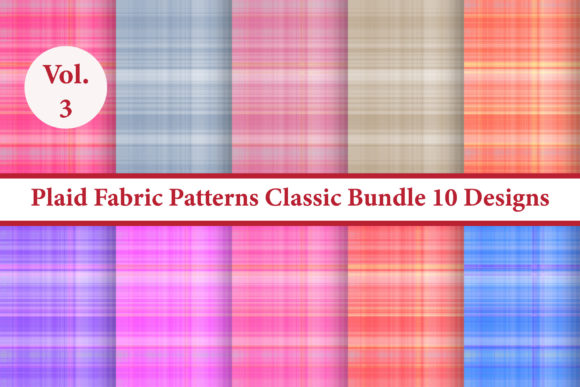
- Tartan / Plaid: Composed of multiple colored bands of varying widths that intersect to create a complex, repeating pattern. Each tartan design—or sett—is unique to a clan, institution, or brand.
- Windowpane Check: Defined by thin, widely spaced lines that form large, open squares reminiscent of window frames. This style is particularly popular in suiting and interior design.
- Houndstooth: A distinctive broken-check pattern where alternating bands create a jagged, tooth-like shape. Despite its name, houndstooth is technically a type of check.
- Buffalo Check: A larger-scale variation of gingham, typically rendered in bold contrasts like red and black. Buffalo check is strongly associated with rustic, outdoorsy aesthetics.
- Madras: Originating from Chennai, India, madras features vibrant, often clashing colors in plaid or check formations. The fabric is lightweight and strongly associated with summer fashion.
The Psychology of Color in Check Patterns
Color transforms a check pattern from a mere structural grid into an emotionally resonant design. Understanding the psychology of color helps explain why certain check patterns evoke particular feelings or associations.
Warm Colors: Energy and Tradition
Check patterns dominated by reds, oranges, and yellows tend to feel warm, energetic, and inviting. The classic red-and-black buffalo check, for instance, conveys rugged warmth and has become synonymous with cabins, campfires, and outdoor living. Red tartans similarly project strength and heritage.
Cool Colors: Calm and Sophistication
Blues, greens, and purples in check patterns evoke calm, trust, and sophistication. A blue gingham shirt reads as fresh and approachable, while a navy-and-green tartan can feel refined and intellectual. These cooler palettes are frequently used in professional settings and spaces designed for relaxation.
Bold Contrasts vs. Subtle Harmonies
The level of contrast within a colorful check pattern dramatically affects its visual impact. High-contrast combinations—black and white, red and black, yellow and navy—demand attention and read as graphic and modern. Low-contrast or tonal checks, where the intersecting colors are similar in value, create a more subdued, elegant effect suitable for minimalist interiors and professional attire.
Colorful Check Patterns in Fashion and Personal Style
Fashion has been one of the primary vehicles for the evolution and popularization of check patterns. From punk rock to preppy, from runway couture to everyday streetwear, checks have proven remarkably adaptable.
The Preppy and Collegiate Look
Few styles are as closely identified with check patterns as preppy fashion. Madras shorts, gingham button-down shirts, and plaid blazers form the backbone of an aesthetic that emerged from Ivy League campuses in the mid-20th century. The colorful, often clashing nature of madras checks communicates leisure, confidence, and a certain nonchalant sophistication.
Punk and Countercultural Associations
In the 1970s, the British punk movement appropriated tartan—particularly the Royal Stewart tartan—as an act of subversion. By ripping, pinning, and recontextualizing this traditional symbol of establishment and royalty, punks transformed check patterns into emblems of rebellion. Designers like Vivienne Westwood cemented this association, and the tension between checks' orderly nature and their countercultural use continues to fuel creative expression today.
Contemporary Runway and Streetwear
Modern designers frequently revisit check patterns, reinterpreting them with oversized proportions, unexpected color combinations, and innovative materials. Colorful check patterns now appear on everything from luxury handbags to technical outerwear, demonstrating the motif's enduring relevance across market segments and demographics.
Interior Design: Bringing Checks into the Home
Colorful check patterns have a special place in interior design, where they bridge the gap between traditional comfort and contemporary style. A well-chosen check can anchor a room, add visual texture, or inject personality into an otherwise neutral space.
Flooring and Wall Treatments
The checkerboard floor is perhaps the most iconic architectural application of the check pattern. Found in grand European palaces, mid-century American diners, and modern minimalist homes alike, the black-and-white checkerboard floor possesses a timeless graphic quality. In recent years, designers have experimented with colorful variations—terracotta and cream, sage and white, even bold multicolor arrangements—to soften the effect and introduce warmth.
Textiles and Soft Furnishings
Plaid blankets, gingham curtains, and checkered throw pillows offer approachable ways to incorporate the pattern into a home. The key to mixing check patterns successfully lies in varying the scale. Pairing a large-scale buffalo check rug with smaller-scale gingham cushions creates depth and interest without overwhelming the eye. For those seeking high-resolution inspiration, exploring resources like colorful check patterns in HD quality can help visualize how different styles translate into real spaces.
Digital Design, Technology, and Creative Applications
In the digital realm, check patterns have found new life as essential design elements. Their geometric precision and scalability make them ideal for screen-based applications, from website backgrounds to user interface components.
Web and Graphic Design
Designers often employ check patterns to add texture and visual interest to digital layouts without overwhelming content. A subtle, low-contrast checkered background can make a website feel more tactile and engaging, while bolder variations serve as eye-catching hero elements. The rise of geometric pattern libraries has made high-quality check designs more accessible than ever to creators working across media.
Gaming and Interactive Media
Checkerboard patterns play a foundational role in game design, particularly in board games and puzzles. In digital gaming, checks often denote movement grids, inventory systems, or decorative environmental elements. The transparency-friendly nature of checkerboard backgrounds has also made them a standard tool in image editing software, where the pattern indicates transparent areas—a clever repurposing of the check's visual clarity.
Photography and Content Creation
For photographers and content creators, colorful check patterns serve as versatile backdrops, overlays, and compositional elements. A vibrant plaid background can transform a product photograph, adding context and personality. Similarly, digital artists frequently incorporate check patterns into branding materials, social media graphics, and promotional content.
Common Misunderstandings About Check Patterns
Despite their ubiquity, several misconceptions surround check patterns. Clarifying these helps deepen appreciation for the design form.
- “Plaid and check are the same thing.” While the terms are often used interchangeably, they are not identical. All plaids are checks, but not all checks are plaids. Plaid specifically refers to patterns with multiple colored bands of varying widths, while a check can be as simple as a two-color checkerboard.
- “Check patterns are always casual.” Context matters enormously. A colorful madras shirt is undoubtedly casual, but a dark, muted windowpane check on a tailored suit can be extremely formal. The pattern itself is neutral—its formality derives from color, scale, and material.
- “Tartan patterns all have clan associations.” While many tartans are indeed tied to Scottish clans, the vast majority of tartan designs created today are fashion tartans with no specific heritage. Anyone can wear most tartans without concern for cultural appropriation, though respecting genuinely sacred or restricted patterns remains important.
- “Check patterns are old-fashioned.” On the contrary, checks are continually reinvented by contemporary designers. When paired with modern silhouettes, unexpected materials, or digital technologies, check patterns feel thoroughly current.
How to Incorporate Colorful Check Patterns Into Your Own Projects
Whether you are designing a brand identity, decorating a room, or putting together an outfit, a few guiding principles can help you use colorful check patterns effectively:
- Consider scale carefully. Large checks make a bold statement and work well as focal points. Smaller checks recede visually and function almost like texture.
- Balance with solids. Pair busy check patterns with solid colors to give the eye a place to rest. A plaid blazer, for instance, looks sharp over a solid tee or sweater.
- Experiment with unexpected color combinations. While traditional pairings like red-and-black or blue-and-white are reliably handsome, don't be afraid to explore pastel checks, neon accents, or monochromatic schemes for a more contemporary feel.
- Mix patterns thoughtfully. Combining checks with stripes or florals can work beautifully when you maintain a consistent color palette and vary the scale of each pattern.
- Source high-quality references. When working digitally, starting from high-resolution pattern resources ensures your designs remain crisp and professional across all applications.
The Future of Colorful Check Patterns
As we look ahead, colorful check patterns show no signs of fading into obscurity. Several emerging trends point to exciting new directions for this ancient design motif. Sustainable fashion brands are embracing natural dyes and traditional weaving techniques to create checks with authentic character and reduced environmental impact. In technology, generative design algorithms are producing novel check-like patterns that push the boundaries of what defines the form. Meanwhile, the growing appreciation for biophilic design—which connects interior spaces with nature—has inspired check patterns that incorporate earthy, organic color palettes.
The digital accessibility movement has also influenced how designers approach check patterns. High-contrast check designs, once valued primarily for aesthetic reasons, are now recognized for their practical benefits in creating navigable interfaces for users with visual impairments. This convergence of form and function exemplifies why check patterns remain so compelling: they are simultaneously beautiful and useful.
Conclusion
Colorful check patterns are far more than decorative afterthoughts. They represent a continuous thread running through human history—from the woven textiles of ancient civilizations to the pixel-perfect grids of today's digital screens. Their enduring appeal lies in a unique combination of mathematical order and creative freedom, tradition and rebellion, simplicity and complexity. By understanding the origins, variations, and applications of check patterns, you equip yourself with a richer visual vocabulary and a deeper appreciation for one of design's most beloved motifs. Whether you choose a subtle windowpane for a professional setting, a bold tartan to make a personal statement, or a high-definition digital check for your next creative project, you are participating in a tradition centuries in the making.