The Timeless Appeal of Classic Plaid Fabric Patterns: History, Style, and Modern Design
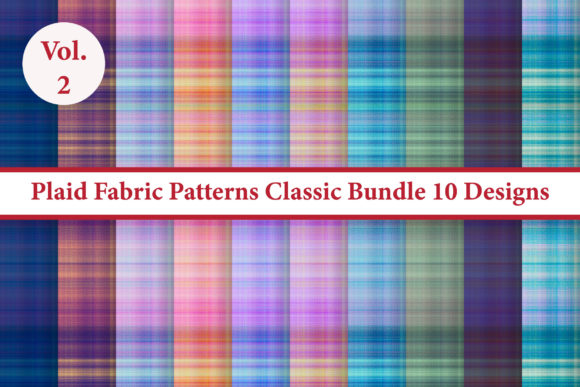
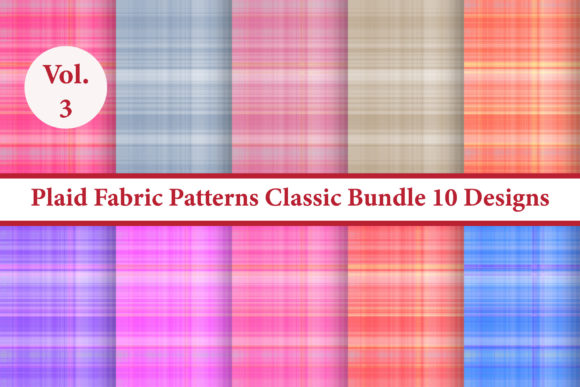
Few textile designs carry the same instant recognition and enduring charm as plaid. Whether you're flipping through a vintage fashion catalog, decorating a cozy living space, or scrolling through the latest runway collections, plaid fabric patterns appear everywhere — bridging centuries of tradition with contemporary creativity. In recent years, resources like Plaid Fabric Patterns Classic Vol.3 have made it easier than ever for designers, crafters, and enthusiasts to access high-quality, authentic plaid motifs for their projects. But what exactly makes these patterns so iconic, and why do they continue to resonate with us today?
This article unpacks the world of classic plaid fabric patterns — from their deep historical roots to their practical role in modern fashion, interior design, and digital creativity. Whether you're a seasoned textile artist or simply curious about the checkered shirt hanging in your closet, you'll come away with a richer understanding of this timeless design tradition.
What Is Plaid, Exactly? Clearing Up a Common Confusion
Before diving deeper, it's worth clarifying a frequent point of confusion. Many people use the words "plaid" and "tartan" interchangeably, but they aren't quite the same thing. Tartan specifically refers to the traditional woven patterns associated with Scottish clans — each unique arrangement of colored stripes and checks signifying family heritage and regional identity. Plaid, on the other hand, is a broader term. It encompasses tartan patterns but also includes gingham, buffalo check, madras, windowpane, and countless other check-based designs that have evolved across cultures and centuries.
In everyday language, plaid has become the catch-all descriptor for any fabric featuring intersecting horizontal and vertical bands that form a grid-like pattern. Understanding this distinction helps us appreciate the sheer diversity within the category — and it's exactly this variety that collections like Plaid Fabric Patterns Classic Vol.3 aim to celebrate and preserve.
The Rich History Behind Plaid Fabric
Plaid patterns are far older than many people realize. Archaeological evidence suggests that checkered textiles existed as early as the 8th to 6th centuries BCE in Central Europe, with the discovery of the Hallstatt salt mine fabrics in Austria showing woven checked designs. However, the story most people associate with plaid begins in Scotland, where tartan became deeply intertwined with cultural identity.
Scottish Origins and Clan Identity
In the Scottish Highlands, tartan patterns served as more than just decorative choices. The specific color combinations and stripe arrangements identified a person's clan affiliation, geographic region, and sometimes even social status. Dyes were derived from local plants, mosses, berries, and minerals, meaning that tartans naturally reflected the landscape where their wearers lived. A pattern heavy with green and brown might originate from a forested area, while coastal clans might incorporate blues reminiscent of the sea.
The 1746 Ban and Cultural Resilience
One of the most dramatic chapters in plaid history came after the Battle of Culloden in 1746, when the British government enacted the Dress Act, which banned the wearing of tartan in an attempt to suppress Highland culture. For nearly four decades, the patterns went underground before the ban was repealed in 1782. Far from extinguishing the tradition, this period of prohibition actually strengthened the cultural significance of tartan. When it re-emerged, it had become an even more potent symbol of Scottish heritage and resilience — a story that adds remarkable depth to every classic plaid pattern we encounter today.
Classic Plaid Varieties Everyone Should Know
Part of what makes plaid so endlessly versatile is that it comes in many distinct forms, each with its own character and history. Below are some of the essential types you'll find represented in classic plaid collections.
- Buffalo Check (Buffalo Plaid): Instantly recognizable by its bold, two-color pattern — most famously red and black — buffalo check has rustic American origins. It became associated with outdoor workwear, lumberjacks, and the rugged aesthetic of the frontier. Today, it's equally at home in cabin décor and urban streetwear.
- Gingham: Lightweight and cheerful, gingham features evenly spaced, same-sized checks on a white background. It gained popularity in the 19th century and became a staple of picnic blankets, summer dresses, and country-style kitchens. Its simplicity is part of its charm.
- Madras: Originating in India, madras plaid is characterized by bright, vibrant colors and asymmetrical patterns. It arrived in Western fashion via British colonialism and later became a preppy fashion staple in mid-20th-century America.
- Windowpane: As the name suggests, this pattern features thin, widely spaced lines that create large, open squares resembling window frames. It's subtle, elegant, and commonly found on dress shirts and suiting fabrics.
- Houndstooth: While technically not a grid pattern in the traditional sense, houndstooth is often grouped with plaids due to its checkered appearance. The distinctive broken-check design has been a hallmark of classic tailoring for over a century.
- Tartan (Traditional): The authentic clan patterns of Scotland remain the gold standard of plaid design. Each tartan tells a story, and the sheer number of registered patterns — thousands upon thousands — speaks to the depth of this tradition.
Why Plaid Patterns Remain Culturally Significant
It's one thing to recognize plaid as visually appealing; it's another to understand why it has persisted across generations while other design trends have faded. Plaid carries cultural meaning that goes beyond aesthetics.
A Marker of Identity and Belonging
From Scottish clan tartans to modern school uniforms and sports team colors, plaid patterns have long been used to signal group membership. Wearing a specific plaid can communicate where you come from, what institution you belong to, or which subculture you identify with. The punk movement of the 1970s famously co-opted tartan as a symbol of rebellion, turning a pattern associated with tradition and establishment into something deliberately disruptive — proving just how flexible plaid's semiotics can be.
The Pendulum of Fashion
Fashion historians note that plaid trends operate in cycles. The pattern surged in popularity during the Victorian era, re-emerged in the 1940s and 1950s through casual and workwear styles, captured the 1990s grunge scene with oversized flannel shirts, and has seen countless revivals since. Each era adds its own layer of meaning to the pattern, ensuring plaid never truly goes out of style — it simply waits for reinvention.
Plaid in Modern Design: More Than Just Fashion
While plaid is most commonly associated with clothing, its applications in modern design extend far beyond the wardrobe. Designers, crafters, and digital creators are tapping into the rich visual language of plaid across multiple disciplines.
Interior Design and Home Décor
Walk into any well-curated home goods store and you'll find plaid everywhere — on throw pillows, upholstery, bedding, wallpaper, and curtains. Designers use plaid to evoke specific moods: a muted tartan adds warmth and tradition to a reading nook, while a crisp gingham can make a kitchen feel bright and welcoming. The key is balance. Too many competing plaids in one space can feel chaotic, but a thoughtfully placed plaid accent anchors a room with texture and visual interest.
Digital Design and Creative Projects
With the rise of digital design tools, plaid patterns have become essential assets for graphic designers, scrapbookers, and crafters. High-quality pattern collections — like Plaid Fabric Patterns Classic Vol.3 — provide ready-to-use, authentic designs that can be applied to everything from greeting cards and invitations to website backgrounds and product packaging. The ability to access seamless, high-resolution plaid textures saves creators hours of work and ensures their projects carry the authentic feel of real woven fabric.
Branding and Commercial Use
Brands ranging from artisanal coffee roasters to heritage clothing labels incorporate plaid into their visual identities to convey qualities like craftsmanship, reliability, and timelessness. A well-chosen plaid can signal that a brand values tradition while remaining approachable. This is especially true for businesses in the food, outdoor, and lifestyle sectors, where plaid's associations with comfort and quality align naturally with brand messaging.
Practical Tips for Working with Plaid Patterns
If you're a maker, designer, or hobbyist looking to incorporate classic plaid into your projects, a few practical guidelines can make a significant difference in the final result.
- Consider the scale: Larger plaid checks make a bold statement and work well on home décor items and outerwear. Smaller, finer plaids tend to feel more formal and are ideal for dress shirts, linings, and delicate crafts.
- Mind the color palette: Traditional tartans often feature multiple colors that may clash if paired with other busy patterns. When in doubt, let the plaid be the star and keep surrounding elements simple and solid-colored.
- Match patterns carefully: In sewing projects, taking the time to align plaid lines at seams creates a professional, polished look. This can be fabric-intensive, so plan your yardage accordingly.
- Respect the heritage: If you're using a specific clan tartan, take a moment to learn about its origins. Being informed adds depth to your project and shows respect for the cultural tradition behind the design.
- Experiment with unexpected combinations: While classic pairings exist for a reason, don't be afraid to mix plaid with stripes, florals, or solid textures. The contrast can yield surprisingly sophisticated results when done with intention.
Common Misconceptions About Plaid
Despite its ubiquity, plaid is surrounded by a few persistent myths that are worth addressing.
Misconception 1: All plaid is Scottish. While Scotland is the spiritual home of tartan, checkered textiles have independent histories in many cultures, including Japanese kasuri weaving, West African kente cloth, and Scandinavian woven bands. Plaid is a global design language, not a single cultural artifact.
Misconception 2: Plaid is only for casual or rustic settings. This couldn't be further from the truth. Fine wool tartans appear in formal Highland dress, and windowpane plaid suits are a staple of sophisticated menswear. Plaid can be as refined or as relaxed as the context demands.
Misconception 3: You can't mix different plaids together. While it requires a certain level of confidence, mixing plaids has a long history in avant-garde fashion and eclectic interior design. The trick is varying the scale and maintaining a cohesive color story so the overall effect feels intentional rather than haphazard.
Misconception 4: Plaid is old-fashioned. Plaid perpetually reinvents itself. Designers continually reinterpret classic checks for new generations, ensuring the pattern remains relevant. From minimalist monochromatic plaids to bold, oversized statements, the possibilities are endless.
The Role of Pattern Collections in Preserving Plaid Heritage
As the design world becomes increasingly digital, there's a pressing need to preserve and catalog traditional textile patterns with accuracy and respect. Collections like Plaid Fabric Patterns Classic Vol.3 serve an important role in this effort. By offering carefully curated, high-quality renditions of classic plaid motifs, they ensure that designers and creators — regardless of their geographic location or access to physical textiles — can draw upon authentic design heritage in their work.
This democratization of access is significant. A small business owner in one part of the world can incorporate Scottish tartan or American buffalo check into their branding with historical fidelity. A fashion student can study the variations in plaid construction without needing to visit a museum archive. In a quiet but meaningful way, digital pattern collections help keep traditional design alive and evolving.
Bringing Plaid Into Your Daily Life
Plaid doesn't need to be confined to special occasions or design projects. Here are a few simple ways to invite classic plaid patterns into your everyday experience:
- Wardrobe staples: A well-fitted flannel shirt, a plaid scarf, or a pair of tartan trousers can add personality to your outfit without overwhelming it.
- Seasonal décor: Swap in plaid cushion covers or table linens during the fall and winter months for an instant dose of coziness.
- Stationery and wrapping: Plaid-patterned paper gives gifts and handwritten notes an elevated, thoughtful feel.
- Digital backgrounds: Use subtle plaid textures for video call backgrounds or phone wallpapers — it's a small touch that adds warmth to your digital presence.
Looking Ahead: The Future of Plaid Design
As sustainability becomes a central concern in fashion and design, plaid is uniquely positioned to thrive. Its association with durability, heritage, and timeless style aligns perfectly with the slow fashion movement and the growing appreciation for clothing and décor that outlast fleeting trends. Additionally, advances in digital textile printing are making it easier than ever to produce custom plaid designs without the environmental impact of traditional dyeing processes.
Technology is also opening new creative frontiers. Generative design tools and AI-assisted pattern creation allow designers to experiment with plaid variations that would have been nearly impossible to conceive by hand, while still grounding their work in the structural logic that makes plaid visually satisfying. The result is a fascinating dialogue between tradition and innovation — one that promises to keep classic plaid patterns relevant for generations to come.
Final Thoughts
Plaid fabric patterns are far more than a decorative motif. They are woven into the fabric of human history — carrying stories of clan loyalty, cultural resilience, fashion rebellion, and everyday comfort. From the looms of ancient weavers to the digital screens of modern designers, the checkered grid has proven remarkably adaptable, speaking a visual language that feels simultaneously familiar and fresh.
Whether you're exploring a collection like Plaid Fabric Patterns Classic Vol.3 for creative inspiration, or simply developing a deeper appreciation for the patterns that surround you, understanding the context behind plaid enriches the experience. The next time you see a tartan scarf, a gingham tablecloth, or a buffalo check jacket, you'll recognize the layers of meaning stitched into every intersection of thread — and perhaps feel inspired to weave a little more plaid into your own life.