The Role of Ornament Boho Mandala Patterns in Art and Design
Within the expansive worlds of decorative art and personal expression, Ornament Boho Mandala Patterns represent a distinct fusion of spiritual symbolism and free-form aesthetic. This style merges the intricate, concentric designs of traditional mandalas, which often serve as tools for meditation and representation of the cosmos, with the eclectic, nature-inspired, and sometimes improvisational elements characteristic of bohemian ornamentation. The result is a visual language that balances structured symbolism with organic, artistic flair.
Core Characteristics and Appeal
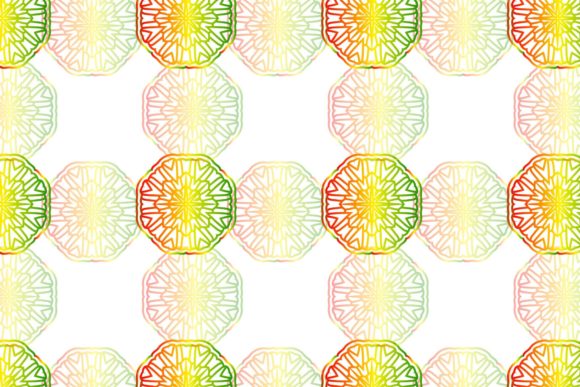
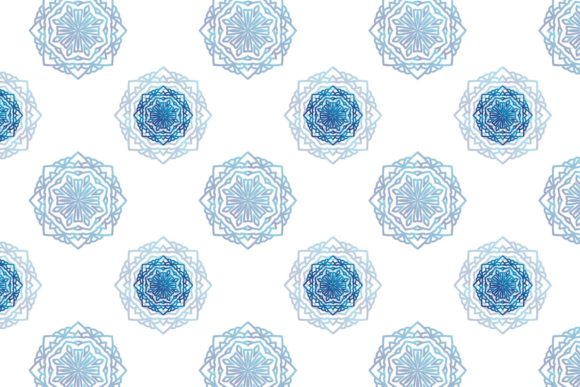
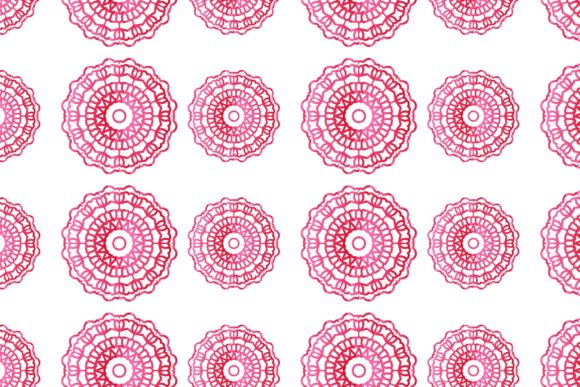
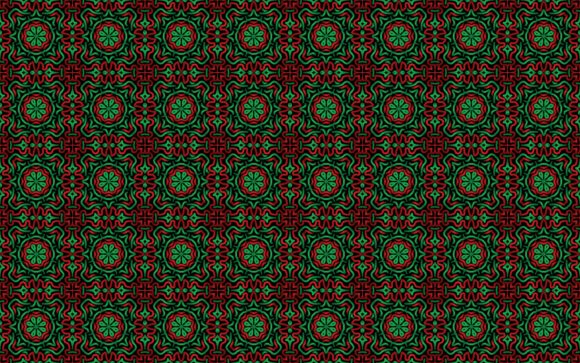
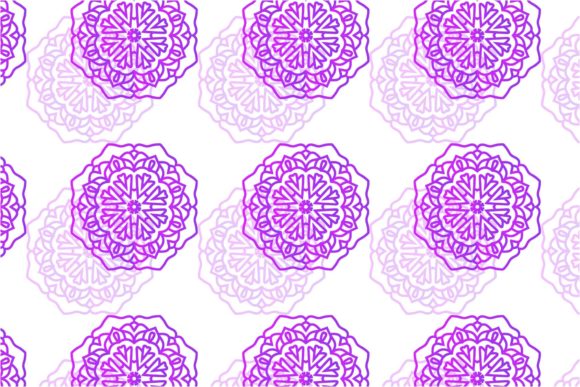
Understanding what defines Ornament Boho Mandala Patterns is key to evaluating their use. Typically, these patterns maintain the radial symmetry and geometric foundation of a classic mandala—a circle containing layered squares, triangles, and petals. However, they are infused with boho ornament motifs such as feathers, dreamcatchers, wildflowers, paisley elements, or loosely drawn vines. The color palettes often lean towards earthy tones, rich jewel colors, or muted pastels, contrasting with the sometimes more primary colors of traditional sacred art.
Interest in this style frequently stems from a desire to blend personal spirituality with personalized decoration. For individuals drawn to mindfulness practices, the mandala core offers a familiar focus point. Meanwhile, the boho ornament layer allows for customization and a connection to a style perceived as artistic, relaxed, and unconventionally beautiful. It appeals to those looking for art that is not strictly dogmatic but feels both intentional and creatively liberating.
Potential Benefits and Personal Applications
Integrating Ornament Boho Mandala Patterns into a project or personal space can offer several benefits. Firstly, they provide a versatile design element. A single pattern can be adapted for scale, from a detailed tattoo or journal zentangle to a large wall tapestry or textile print. This scalability makes them suitable for diverse applications, including home decor, fashion apparel, stationery, and digital backgrounds.
A significant practical benefit is their capacity to serve as a personalized creative outlet. Creating or coloring these patterns can be a form of active relaxation, combining the meditative repetition of mandala drawing with the playful exploration of boho embellishments. For artists and hobbyists, this hybrid style can feel less restrictive than following strict mandala rules, potentially fostering greater creative flow.
From a design perspective, Ornament Boho Mandala Patterns can act as a unifying aesthetic anchor. In a room featuring bohemian decor, a large mandala-based piece can provide a focal point that organizes the space without feeling overly rigid. It bridges the gap between chaos and order, which is often a central goal in boho interior design.
Tradeoffs and Important Considerations
While appealing, working with Ornament Boho Mandala Patterns involves certain tradeoffs. The complexity of a well-executed pattern requires skill and time, whether in creation or selection. A poorly balanced design—where the boho ornamentation overwhelms the mandala’s structure—can lose the calming, centering effect that many seek from mandala forms. The result might feel visually busy rather than harmoniously intricate.
Another consideration is contextual fit. This specific fusion style may not align with every environment or intention. In spaces seeking minimalist serenity or formal elegance, an ornate boho mandala might introduce unintended visual noise. Similarly, for those pursuing traditional spiritual art purely for devotional or strict meditative purposes, the addition of decorative boho elements could dilute the symbolic purity they require.
Expectations regarding execution should also be managed. Professionally rendered patterns, especially for large-scale commercial use like fabric printing or wall murals, demand a high level of artistic precision. DIY approaches, while rewarding, may yield results that differ significantly from the polished examples often seen in inspiration galleries.
Situations Where This Style is a Strong Fit
Ornament Boho Mandala Patterns are a particularly strong fit for specific scenarios. They are highly appropriate for personal art projects where self-expression and process are valued over perfect symmetry. Individuals decorating a home office, yoga space, or creative studio seeking an inspirational yet grounding visual would likely find this style resonant.
This fusion is also well-suited for brands or creators targeting an audience that identifies with mindful, artistic, and alternative lifestyles. In product design for niches like holistic wellness, independent fashion, or artisanal crafts, using Ornament Boho Mandala Patterns can visually communicate a blend of spirituality and creative individuality. Furthermore, for events or settings with a festival, retreat, or community-arts atmosphere, these patterns can effectively enhance the environment.
When to Consider Alternative Design Directions
It is prudent to consider alternatives when core needs diverge from what this hybrid style offers. If the primary goal is deep, traditional meditation aid, a classic, symbolically precise mandala without ornamental additions might be more effective. For projects demanding historical or cultural authenticity, especially tied to specific Buddhist, Hindu, or other traditions, the boho ornament layer would likely be inappropriate.
Similarly, if the desired aesthetic leans heavily towards modern minimalism, Scandinavian simplicity, or industrial design, the richness of Ornament Boho Mandala Patterns would likely clash. In such cases, simpler geometric patterns or abstract art might be better alternatives. For those who love the boho aesthetic but prefer less structured art, purely free-form bohemian patterns featuring florals, ethnic motifs, or abstract brush strokes could be a more comfortable choice.
From a commercial perspective, if a project requires broad, mainstream appeal without niche stylistic associations, a more neutral or universally recognized pattern library might achieve better results than the specifically named fusion of Ornament Boho Mandala Patterns.
Practical Decision-Making Insights
Determining whether to engage with Ornament Boho Mandala Patterns should be a needs-based assessment. Start by clarifying the primary purpose: is it for personal creative practice, decorative impact, spiritual practice, or commercial branding? Evaluate the importance of structure versus free expression in your goal. If both are equally important, this style is a compelling candidate.
Assess your own or your available artist’s skill level with intricate design. Can the balance between mandala geometry and boho ornament be skillfully maintained? Review examples critically, noting which designs feel harmoniously integrated and which feel overcrowded. Consider the medium; the style might translate differently to digital art, embroidery, or painted walls.
Ultimately, alignment with Ornament Boho Mandala Patterns depends on whether their hybrid nature serves your functional and aesthetic objectives. They are not a universal solution but a specialized tool in the design lexicon. By understanding their unique composition, benefits, and limitations, you can make an informed choice about whether this rich, symbolic, and artistic pattern style meets your specific creative or decorative needs.